Water stress, floods could hit South Asia hard despite below-normal monsoon
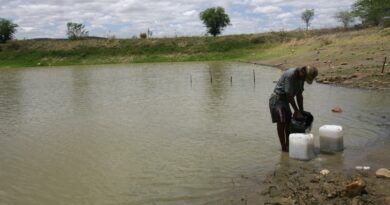
Communities across several countries including India, Pakistan, Nepal and Bhutan could be hit with flash floods, landslides and even drought even as a below-normal monsoon is forecast in parts of the Hindu Kush Himalaya (HKH) region, scientists have warned.
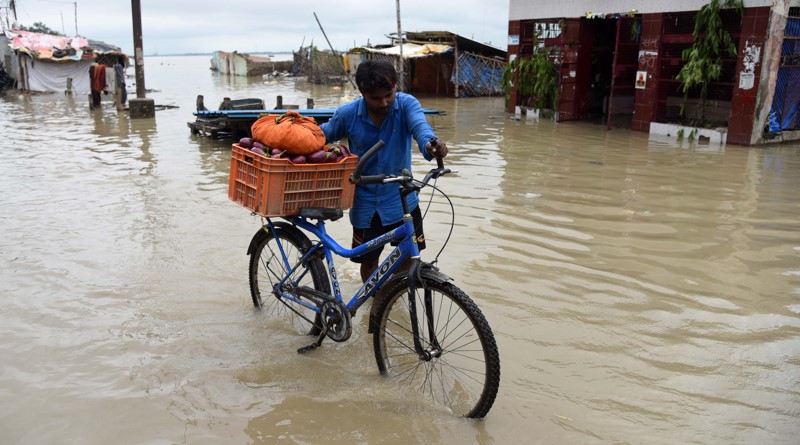
Short bursts of intense rainfall, rising temperatures, and growing water stress could make the season increasingly dangerous, Kathmandu-based International Centre for Integrated Mountain Development (ICIMOD) said in its latest The Hindu Kush Himalaya (HKH) Monsoon Outlook 2026.
“Even in a weaker monsoon, short periods of intense rainfall remain a major concern”, said ICIMOD Hydrologist Manish Shrestha. “Communities and authorities need to closely follow short-term forecasts and advisories”.
The combination of erratic rainfall and rising temperatures is expected to increase both drought and flood risks during the same season. Long dry spells may be followed by sudden heavy downpours, creating conditions for flash floods and landslides, particularly in mountain areas.
“The outlook points to a drier monsoon overall, but that does not mean lower risk. Short, intense rainfall events can still trigger serious hazards”.
Warmer conditions are also likely to intensify heat stress and reduce water availability. Lower snow persistence at the start of the season further weakens the region’s natural water buffer, making river systems and groundwater recharge more sensitive to rainfall variability, an official statement said.
The outlook underscores the need for strengthened early warning systems, anticipatory action, and coordinated preparedness by governments, hydrometeorological services, disaster risk management authorities, and development partners ahead of the 2026 monsoon season.
“Lower snow persistence means the region is entering the monsoon with a reduced seasonal water buffer”, said Sarthak Shrestha, co-author of the outlook.
Experts say these combined risks are already complicating disaster planning and response management across South Asia.
“The growing unpredictability of the monsoon is already creating coordination challenges”, said Neera Shrestha Pradhan, Water and DRR Lead at ICIMOD. “Preparedness now requires stronger coordination between government, technical agencies, and local authorities”.
The outlook highlights increasing pressure on food production, water resources, and energy systems, as well as heightened vulnerability in both rural and urban areas.
“Erratic rainfall following long dry spells increases the risk of landslides”, said Ranit Chatterjee, CEO of Rika India. “This can worsen socio-economic pressures, including migration, rising food prices, energy stress, and disruptions to tourism”.