Declining groundwater levels threatening water supply, socioeconomic well-being globally
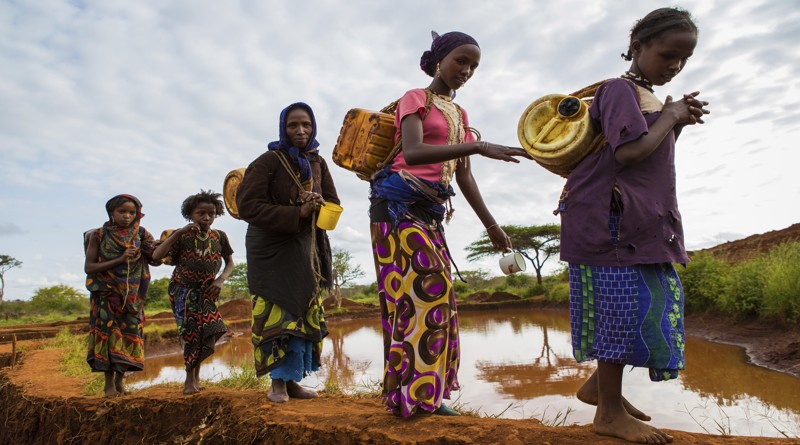
Declining groundwater levels are threatening domestic water supplies in several countries including India, South Africa, Chile, France, Sweden and Mexico, a trend that may lead to water and food insecurity security and impact on local infrastructure and socioeconomic wellbeing, a new global study has warned.
In one of the latest global assessments, the International Groundwater Resources Assessment (IGRAC) in Delft, the Netherlands, reviewed data from national and sub-national monitoring networks collected across 47 countries. The study found that anthropogenic activities, including groundwater abstraction and climate change, have modified groundwater dynamics, leading to groundwater level (GWL) changes across the world.
In simple terms, the study warns that nearly one-third of groundwater level trends are declining, a clear sign of over-exploitation of the resource.
While in several counties, over-abstraction has led to water shortages, deteriorating water quality, salinisation and contamination by pollutants including arsenic and heavy metals, the study found many examples of successful groundwater recovery, notably in Bangkok, Taiwan and parts of India, where regulatory reforms, reduced abstraction and improved groundwater management have helped restore groundwater levels and reduce subsidence, although these recoveries have also generated new engineering and flooding challenges.
The study stated that agriculture was also heavily affected due to changes in groundwater levels. In major food-producing regions such as the High Plains Aquifer in the United States, Punjab in India and parts of Chile and Jordan, groundwater depletion was increasing pumping costs, reducing irrigated agricultural productivity and, in some cases, forcing the abandonment of farming activities.
Significant groundwater declines were concentrated in parts of northeastern Brazil, central and northern Chile, Mexico, the western United States, southern Europe, South Africa, Jordan, northern India and Thailand, with some areas recording declines exceeding 1 metre per year. Europe showed widespread but generally more moderate declines, while Australia and New Zealand also experienced falling groundwater levels in several regions.
On the other hand, rising groundwater trends were identified in parts of Brazil, Costa Rica, the United States, Canada, western Europe, Namibia, Israel, India and Thailand, although these increases were generally more moderate.
However, the majority of monitoring wells worldwide showed no statistically clear long-term trend, highlighting the highly variable and locally specific nature of groundwater dynamics. The study also found that some wells displayed substantial groundwater changes despite lacking strong statistical significance, underlining the complexity and variability of aquifer systems globally.
The data used for the study was locally collected (in situ) data – as opposed to assessments that make use of groundwater models or estimates based on data from satellites. The researchers analysed 20 year time series of groundwater levels in 47 countries distributed across a range of climatic, geographic, hydrogeological and socioeconomic contexts worldwide.
The results of the study were drawn from a total of 42,844 monitoring wells, categorised into those showing a significant rising trend over time, those with declining trend and those showing no significant trend over the 20-year period.
Using different indicators based on three time series analysis methods, the study found that almost one third of the GWLs trends are declining — thus reflecting overexploitation of groundwater — while GWLs are rising in 18 per cent of wells — not always indicating a recovery but also the consequence of human impact on the environment.
The study underlined an urgent need for expanding monitoring programmes, protecting groundwater, and defining acceptable impacts to determine sustainable groundwater usage and minimise impacts of GWL change.