Drought mitigation needs global cooperation, sustainable water management
As water shortages grow more frequent and severe globally, a new report has underlined the need to address droughts effectively through immediate actions that involves systemic, cross-sectoral solutions and international cooperation.
Investments in early warning systems, knowledge-sharing, sustainable water management, innovative agriculture, and community engagement are critical for building resilience to droughts, said the report, released earlier this month by University of Nebraska–Lincoln’s National Drought Mitigation Center and the United Nations’ Convention to Combat Desertification.
Noting that global climate patterns in 2023 and 2024 set the stage for severe drought impacts worldwide that are continuing into 2025, the report has recommended that effective drought mitigation strategies would need to involve reducing water demand and preparing for drought, while ensuring underserved
communities are included in decision-making to address inequalities.
At the same time, certain vulnerable communities like those that depend on subsistence agriculture, should be protected.
The last two years represent some of the worst drought effects seen on a global scale, said Mark Svoboda, report co-author and director of the drought center.
“This is simply not just another dry spell,” he said. “This is a global catastrophe covering millions of square miles and affecting millions of people, among the worst I’ve ever seen. This report underscores the need for systematic monitoring of how drought affects lives, livelihoods and the health of the ecosystems that we all depend on.”
The report covers food, water, energy crises and human tragedies resulting from drought events in dozens of countries around the world. It shares impacts within the most acute drought hotspots in Africa, the Mediterranean, Latin America and Southeast Asia based on more than 250 studies, data sources and news reports.
“The Mediterranean countries represent canaries in the coal mine for all modern economies,” Svoboda said. “The struggles experienced by Spain, Morocco and Turkey and many others to secure water, food and energy under persistent drought offer a preview of water futures under unchecked global warming. No country, regardless of wealth or capacity, can afford to be complacent.”
El Niño triggered dry conditions across agricultural lands, ecosystems and urban areas in 2023-24, compounding effects in regions already suffering from heat, population pressures and fragile infrastructure, said report co-author Kelly Helm Smith, assistant director and drought impacts researcher at the drought center.
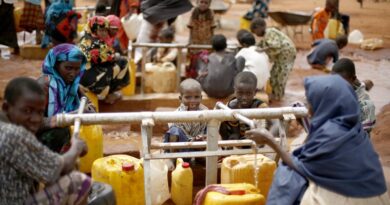
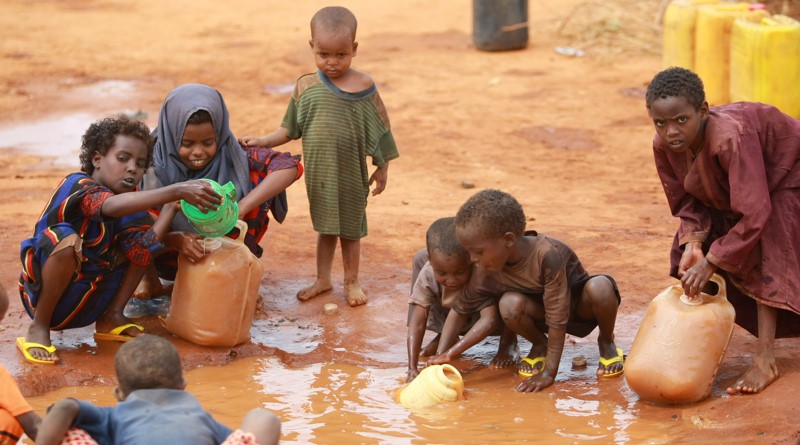
Drought impacts disproportionately affect vulnerable populations, including women, children, the elderly, those with chronic illness, subsistence farmers and agropastoralists, Smith said. Health risks include cholera outbreaks, acute malnutrition, dehydration and exposure to polluted water. People may also be forced to leave their homes and communities in search of work.
Coping mechanisms for drought events grew “increasingly desperate,” said Paula Guastello, lead author and drought impacts researcher at the drought center. “Girls pulled from school and forced into marriage, hospitals going dark and families digging holes in dry riverbeds just to find contaminated water—these are signs of severe crisis.”
According to the report, forced child marriages more than doubled in the regions of Ethiopia that were hardest hit by drought during this time. Despite being an outlawed practice in the country, child marriage can provide families with income in the form of a dowry while lessening the financial burden of providing food and other necessities to the child.
The report underscores the importance of protecting the most vulnerable people and ecosystems, Guastello said.
“As droughts intensify, it is critical that we work together on a global scale to protect the most vulnerable people and ecosystems and re-evaluate whether our current water use practices are sustainable in today’s changing world,” she said.
Future suffering and devastation could be reduced by acting now, Smith said.
Recognizing and planning for the inevitable impacts of droughts, especially under climate change, is essential for effective drought planning. Governments are encouraged to develop and maintain drought plans that include proactive mitigation measures, clearly defined roles and responsibilities, and action triggers based on continuous monitoring. Vulnerability assessments, early warning systems, and improved data collection are crucial tools for water resource planning and effective responses to shortages, the report suggested.