Coordinated global action, integration of WASH within health systems needed: WHO
Stating that unsafe water, sanitation and hygiene (WASH) still drive at least 1.4 million preventable deaths each year, the World Health Organization (WHO) has unveiled its water, sanitation, hygiene and waste strategy 2026–2035 that underlines the need for policy coherence across a wide range of programmes such as health systems and primary health care, infection prevention and control, antimicrobial resistance, environmental health, climate and health, and emergency preparedness and response.
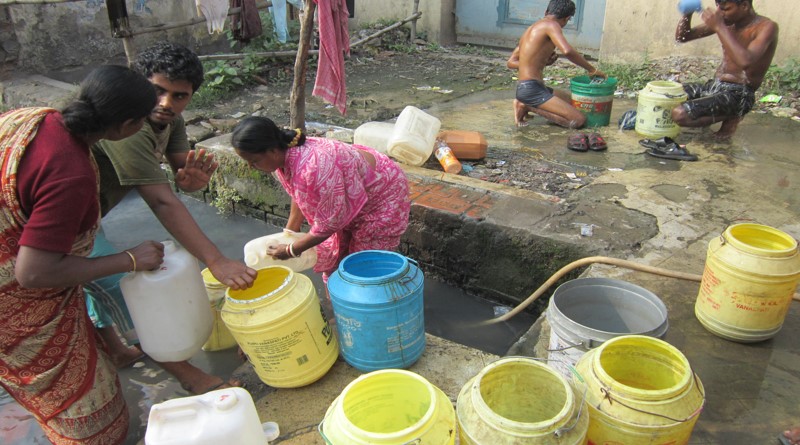
The strategy notes that climate shocks, outbreaks, migration and aging infrastructure present additional challenges in the WASH area. Despite gains since 2015, one in four – or 2.1 billion people globally – still lack access to safely managed drinking water, including 106 million who drink directly from untreated surface sources; 3.4 billion people still lack safely managed sanitation, including 354 million who practice open defecation.
“Addressing these persistent gaps requires coordinated global action, and WHO’s leadership on WASH is a critical part of that effort. By setting evidence-based norms and standards, strengthening regulatory and monitoring systems, and supporting countries to embed WASH into health policies and service delivery, WHO helps translate proven interventions into sustained impact”, the strategy states.
The WHO 2026-35 strategy is underpinned by the following principles: Prioritize actions with the highest public-health benefit in areas where WHO has, or can build, comparative advantages; Strengthen health-sector capacities in promoting safe WASH and taking up its public-health oversight role in WASH, including effective surveillance and outbreak response systems; Strengthen the use of WASH data to inform WASH-sector and health-sector planning and investment, as well as disease surveillance and response; Employ the highest-quality science, including through collection, review and use of evidence about WASH impacts on health, and the full range of practical experiences, when developing norms and good practice procedures; Promote a contextual, incremental-improvement approach when supporting countries to set national WASH standards and ambitious but achievable national targets, among others.
The strategy offers continuity over the previous one in many areas but also emphasises new issues (for example, waste management, wastewater and environmental surveillance (WES), and monitoring of climate-resilient WASH, gender and core WASH systems indicators). Apart from this content, the strategy also suggests new ways of working to enable greater efficiency. The inclusion of waste reflects long-standing concerns (solid and health care waste, emerging contaminants) and promotes risk-proportionate management.
On drinking-water quality, the strategy states its aim is to “use the latest scientific evidence, practical experience and partnerships to accelerate progress towards universal access to safe, resilient drinking-water systems.
The targets being achieved are: WHO recommendations on drinking-water quality, including emerging issues, influence actions by health authorities and researchers; Water service providers and regulators have strengthened capacity to assess and manage water-related disease risks, including those exacerbated by climate change, through water safety planning and surveillance, respectively; Safe management of small water supplies is strengthened through integration of WHO guidelines into national frameworks, enabling evidence-based risk assessment and management, and surveillance practices.
A 2026-2035 strategy has made several key changes over the previous one. The main differences appear to be an explicit focus on the worst gaps (e.g. cholera hotspots and places still lacking basic services), placing stronger emphasis on WASH in health care facilities, providing an integrated data ‘spine’ which links topics such as service levels, systems, finance and disease burden, and the strengthening of early warning systems and their linkage to action.